
Classification of Online Slots
The evolution of casino games has always attracted attention, and slot machines occupy a distinctive place in this history. What began as a simple mechanical form of entertainment has developed into a broad category of digital games with different visual styles, rules, payout structures, and levels of complexity. Online technology has made slots more widely available while giving developers greater freedom to create varied themes and gameplay formats. However, visual design alone does not define a slot, as games can also be classified according to their mechanics, jackpot structure, reel layout, and special features. This article explains the main categories of online slots and the characteristics that distinguish one type from another.
A Variety of Slot Machines in the Casino
The term ‘slot machine’ paints a broad stroke, encompassing a multitude of variations. From the classic fruit machines with their cherries, bells, and bars, to the more recent thematic slots inspired by pop culture, there’s a game for every player. These varieties include:
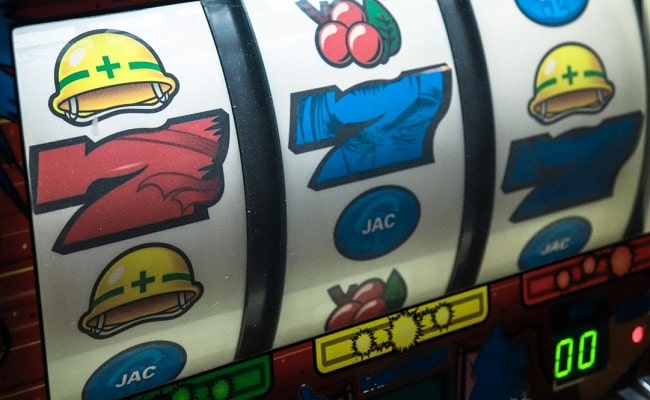
- Classic Slots: These are reminiscent of old-school machines, usually featuring three reels.
- Video Slots: Modern slots with immersive graphics and sounds, often with five reels or more.
- Progressive Slots: A network of slots where a fraction of every bet contributes to a jackpot.
- 3D Slots: Slots with three-dimensional graphics and interactive features.
Game Type
In addition to aesthetic and thematic variations, online slots differ significantly in their mechanics, betting structures, and overall gameplay. Understanding these features helps players recognise how winning combinations are formed and what to expect from each type of game:
Reels and Paylines: Traditional slots usually have three reels and a single payline, making the rules easy to follow. Modern video slots may feature five, six, or even seven reels, while the number of paylines can range from one to several thousand. Some games also use ways-to-win systems, where matching symbols do not need to appear on fixed lines.
Bonus Rounds: Many slots include bonus rounds that are activated by landing specific symbols or combinations. These features may award free spins, pick-a-prize games, expanding wilds, symbol transformations, or other interactive events. Bonus rounds can change the pace of play and introduce additional ways to form winning combinations.
Multiplier Slots: In these games, certain wins may be multiplied by a fixed or increasing value, sometimes reaching 10x or more. Multipliers can apply to individual symbols, bonus features, or the total payout from a spin. In some cases, the multiplier rises during consecutive wins or free-spin rounds, which can increase the potential value of a successful sequence.
Multi-payline Slots: Unlike traditional slots that pay only for combinations formed on a straight line, multi-payline games use numerous winning patterns. These may run horizontally, diagonally, in zigzags, or across more complex arrangements. Players can often adjust the number of active paylines, although activating more lines may also increase the total stake per spin.

Jackpots
The thrill of hitting a jackpot is unparalleled. There are primarily two types of jackpots:
- Fixed Jackpots: These have a set amount that a player can win.
- Progressive Jackpots: These start with a basic amount, but as more players join the game, a small percentage of each of their bets contributes to the jackpot, making it grow exponentially. Some progressive jackpots have been known to enter multi-million territories!
Development of VR Slot Machines in Casinos
With technological advancements, Virtual Reality (VR) has entered the domain of online casinos. VR slot machines provide an immersive experience, as if you’re in a real casino. The player gets a 360-degree view of the casino, can interact with slot levers, or even chat with other virtual players. It’s a convergence of the tangible feel of real-world casinos and the comfort of online gaming.
VR slots remain a specialised and largely experimental area of online gaming rather than a widely available game format. Their development requires compatibility with VR headsets, responsive motion controls, stable performance, and interfaces that remain clear within a three-dimensional environment. These technical requirements make such games more complex to produce than conventional online slots. VR technology nevertheless creates opportunities to explore new forms of spatial interaction and game design. Since immersive gambling environments may affect player engagement and perception more strongly, developers must also consider transparent game information, session controls, and other responsible gambling measures.
Conclusion
Slot machines, with their dazzling lights, catchy sound effects, and tantalizing jackpots, have always been the heart of casinos. Their evolution, from mechanical devices to online and VR experiences, showcases the fusion of technology and entertainment. The world of online slots is vast and varied, offering something for everyone, from the casual gamer to the seasoned gambler.